
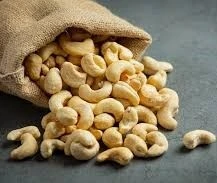
Chilgoza (pine nuts) is one of the most prized dry fruits in the world. It is known for its rich taste, soft texture, and powerful nutritional value. For centuries, Chilgoza has been considered a symbol of luxury and natural wellness.
This rare Himalayan dry fruit is mainly found in high-altitude regions like Gilgit-Baltistan. It is packed with healthy fats, vitamins, and antioxidants that support energy, heart health, and overall well-being.
️ 1. What is Chilgoza?
Chilgoza (pine nuts) is one of the most valuable dry fruits in the world. It is known for its rich taste, high nutrition, and premium quality.
It is sourced from high-altitude regions like Gilgit-Baltistan and is widely used in both traditional and modern foods.
Chilgoza offers many health benefits, including support for heart health, brain function, immunity, and skin improvement due to its rich nutrients.
2. Origin and Natural Habitat
Chilgoza pine trees thrive at elevations between 1500–3500 meters above sea level. They are well adapted to cold, dry, and rocky terrain where few other crops can grow. Because these trees grow in remote mountain regions with limited accessibility, the nuts are naturally scarce — contributing to their high market value.
The major Chilgoza‑producing areas include:
Gilgit‑Baltistan (Pakistan) — especially regions like Skardu, Gilgit, Rondu, and Gupis.
Hindukush and Karakoram ranges — spread across northern Pakistan and eastern Afghanistan.
Parts of Himachal Pradesh and Uttarakhand (India) — in similar high‑altitude belts.
This rugged geography gives the seeds their distinctive taste — subtly sweet, buttery, and rich — a flavor profile that’s difficult to find in other nuts.
3. How Chilgoza Trees Grow
Unlike agricultural nuts like almonds or walnuts, Chilgoza trees are wild‑grown and not typically cultivated on farms. Here’s how they grow:
Life Cycle and Growth Conditions
Chilgoza pine trees are slow growers. They take 10–15 years to start producing cones and can continue yielding seeds for up to 100 years. These trees are drought‑resistant and adapted to nutrient‑poor, rocky soil — conditions where few crops can survive.
Climate Requirements
Cold winters with snow help regulate growth cycles.
Dry summers reduce fungal diseases and pests.
Minimal rainfall prevents waterlogging which can harm the roots.
Nutritional Profile of Chilgoza
Despite their small size, Chilgoza seeds are nutritional powerhouses. They pack healthy fats, proteins, vitamins, minerals, and antioxidants that provide numerous health benefits.
Here’s what Chilgoza contains per 100 grams (approximate average):
| Nutrient | Amount |
| Calories | ~690–700 kcal |
| Total Fat | ~68–70 g |
| Protein | ~14–16 g |
| Carbohydrates | ~13–15 g |
| Dietary Fiber | ~3–4 g |
| Vitamins | Vitamin E, B‑complex (B1, B2, B3) |
| Minerals | Magnesium, Iron, Zinc, Copper, Phosphorus, Potassium |
| Antioxidants | Phenols, Flavonoids |
Key Nutritional Highlights:
- Healthy Monounsaturated Fats: Support heart health and cholesterol balance.
- Vitamin E: A powerful antioxidant that protects cells from oxidative damage.
- Magnesium & Zinc: Important for immunity, energy production, and metabolism.
- Protein & Fiber: Aid satiety and digestive balance.
Health Benefits of Chilgoza
1 Heart Health Support
Chilgoza seeds contain high levels of monounsaturated fats, which can help reduce LDL (“bad”) cholesterol and support overall heart health. The antioxidants also help reduce inflammation — a major factor in cardiovascular disease.
2 Brain Function and Cognitive Support
Chilgoza provides essential nutrients like vitamin E, healthy fats, and micronutrients that support brain health and memory. Regular consumption may help improve focus and cognitive function.
3 Energy and Strength
Due to their high calorie and healthy fat content, Chilgoza seeds are an excellent source of sustained energy — especially useful for athletes, outdoor workers, and people who need long‑lasting fuel without sugar spikes.
4 Immune System Boost
Minerals like zinc and vitamin E enhance immune response, helping the body fight infections effectively.
5 Healthy Skin and Hair
Vitamin E, antioxidants, and essential fatty acids in Chilgoza contribute to glowy skin and strong, nourished hair.
6 Anti‑Inflammatory and Antioxidant Properties
The phenolic compounds help neutralize free radicals — reducing inflammation and oxidative stress that can lead to chronic diseases.
6. Culinary Uses of Chilgoza
Chilgoza’s delightful flavor and buttery texture make it a versatile ingredient in many cuisines. Here are some common and creative culinary uses:
1 Snacking
Chilgoza can be eaten raw or lightly roasted with a pinch of salt — simple and delicious.
2 Desserts
- Halwa
- Kheer
- Ice cream toppings
- Cakes and pastries
3 Savory Dishes
- Biryanis and pulao
- Salads for crunch and richness
- Sauces and rich gravies
4 Breakfast Add‑Ons
Sprinkle on oatmeal, yogurt, porridge, or smoothie bowls.
5 Beverages
Crush with cardamom and mix into milk or traditional drinks for flavor and nutritive boost.
7. Economic Value & Market Demand
Chilgoza is one of the most expensive dry fruits in the market. Several factors drive the high price:
Limited Production
Chilgoza pine trees grow in remote mountainous regions with no large‑scale commercial plantations.
Manual Harvesting
Harvesting, drying, and cracking pine cones is labour‑intensive and time‑consuming — contributing to higher cost.
High Demand
There’s growing global demand for Chilgoza — not just in South Asia, but in Middle Eastern and Western markets — due to its unique flavor and health appeal.
Export Market
Pakistan and Afghanistan are major exporters, and prices often fluctuate based on yearly harvest yields, weather, and geopolitical factors.
8. Traditional Harvesting Methods
Unlike industrial nut production, Chilgoza collection is largely manual and community‑based:
1 Harvest Season
Harvest typically occurs between August and October, when cones ripen fully.
2 Cone Collection
Workers climb rugged slopes to hand‑pick pine cones — a physically demanding task.
3 Drying
Cones are dried in the sun for several days so the seeds loosen.
4 De‑hulling
Once dry, the cones are cracked open manually or with simple tools to extract the precious nuts.
This traditional process, while slow, helps preserve flavor and quality.
9. Cultural & Historical Importance
Chilgoza has a long cultural legacy:
- Used in festive foods and special family recipes.
- Given as a gift during weddings, Eid, and holidays.
- Considered a health tonic in traditional medicine systems.
In many mountain communities, Chilgoza trees are also a source of livelihood, heritage, and identity.
10. Sustainability and Environmental Concerns
Because Chilgoza grows wild, there are important environmental considerations:
1 Conservation
Overharvesting and deforestation can threaten tree populations. Sustainable harvesting practices and responsible forest management are essential.
2 Community‑Based Stewardship
Some regions are moving toward community‑led forest protection to balance income and ecological health.
11. How to Store Chilgoza
Chilgoza’s high fat content can cause it to go rancid if stored improperly. Here are best practices:
✔ Airtight containers
✔ Refrigerated storage — especially in hot climates
✔ Freeze for long‑term storage
✔ Avoid moisture and direct sunlight
Proper storage can keep Chilgoza fresh for 6 months to 1 year or more.
12. Comparing Chilgoza to Other Nuts
| Feature | Chilgoza | Almonds | Cashews | Walnuts |
| Texture | Buttery & soft | Crunchy | Creamy | Crunchy & rich |
| Flavor | Sweet, subtle | Mild, nutty | Sweet, buttery | Earthy, bitter notes |
| Fats | High healthy fats | High | High | High omega‑3 |
| Price | Very high | Moderate | High | Moderate |
| Rarity | Rare | Common | Common | Common |
Chilgoza stands out for taste, exclusivity, and nutritional richness.
13. DIY Recipes with Chilgoza
1 Chilgoza & Honey Snack Bowl
Ingredients:
- 1/4 cup Chilgoza
- 2 tbsp honey
- Dash of cinnamon
Method:
Mix all ingredients and enjoy as a quick energy snack.
2 Chilgoza Date Balls
Ingredients:
- 10 dates
- 1/3 cup Chilgoza
- 1 tbsp cocoa
Blend all and roll into balls — a healthy dessert alternative.
14. Final Thoughts
Chilgoza isn’t just a dry fruit — it’s a nutritional treasure, a cultural symbol, and a luxurious ingredient that deserves its reputation. Whether eaten raw, used in gourmet recipes, or enjoyed for its health benefits, Chilgoza has something for everyone. Its rich history, unique origin, and powerful nutrients make it one of the most fascinating and valuable foods nature offers.
So the next time you enjoy a handful of Chilgoza, remember — it’s more than a nut; it’s a gift from the mountains.
Chilgoza is a premium edible seed obtained from pine cones of the Pinus gerardiana, found in high-altitude Himalayan regions.
Chilgoza is costly because it grows in remote mountain areas, is harvested manually, and has limited production with high global demand.
Chilgoza (Pine Nuts) supports heart health, boosts brain function, improves immunity, enhances skin and hair, and provides long-lasting energy.
Yes, Chilgoza can be eaten daily in moderation (a small handful), as it is high in calories and healthy fats.
Chilgoza mainly grows in Gilgit-Baltistan, Afghanistan, and parts of northern India in the Himalayan mountain range.
Store Chilgoza in an airtight container in a cool place or refrigerator to maintain freshness and prevent spoilage.
Chilgoza stands out due to its rare availability, rich taste, and high nutritional value compared to common nuts like almonds and cashews.
Chilgoza can be eaten raw, roasted, or added to desserts, rice dishes, salads, and breakfast meals.